Menu
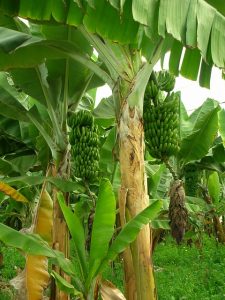
Abaka (abacá, abaca) – very strong vegan thread, made from banana (Musa textilis) plant.
No, definitely not one of the fruits that we are used to eating, there are several non-edible types of bananas that are grown for the fiber extracted from the stem of the banana grass.
One of them, Abaca, is grown specifically for the production of banana silk.
It is new in our country, but it is a long-known and produced and used product in Japan and South Asia, mentioned as far back as the 13th century in the Philippines.
It takes a lot of work to create this vegetable fiber. Initially, the trunk of the plant is soaked in rivers near the plantations to soften it and make it easier to separate the fibers. The resulting fibers are ironed, plucked by machine or by hand, and then spun into yarn. Due to this production method, as well as silk from silkworms, the most natural thread is uneven. Banana silk is dyed almost always with natural, vegetable dyes, manually, so if the threads were produced at different times, the shades of the same color may differ.
The same with the length – 100 grams of non-spun yarn can contain 80-90 m of yarn, spun a little longer, up to 150 m.
Because a lot of handwork is involved, banana silk threads are not cheap.
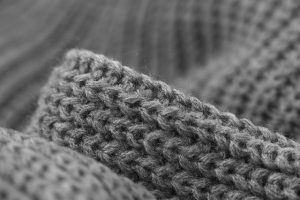
Non-spun thread is uneven, textured, the knitting will be somewhat unusual, but really interesting and original.
When a particularly shiny and very smooth thread is to be obtained, an additional twisted thread is spun. This yarn is more expensive than the previously mentioned twisted yarns, but it is extremely soft, strong and smooth.
It resembles real silk in nature, but is plant-based and a great vegan alternative to silk.
In addition, it is very suitable for people allergic to wool
Hand wash, do not hang the washed product, dry horizontally. Like silk or cashmere, you don’t need to wash it often. These special materials have a unique ability to repel dirt. It can be revived by drying it (for example, hanging it in a wet bath, after a shower) and then taking it outside for a couple of hours.
Biodegradable and does not have a negative impact on nature, therefore it is classified as ecological fibers
lapu.fr © 2020. All rights reserved.

We provide the best yarn and you will not be disappointed with our product. Come see our products